

-

Kid’s Diapers & Pull-Ups
Kid’s diapers, pull-ups, and additional supplies for children who are unable or delayed in potty training.
-
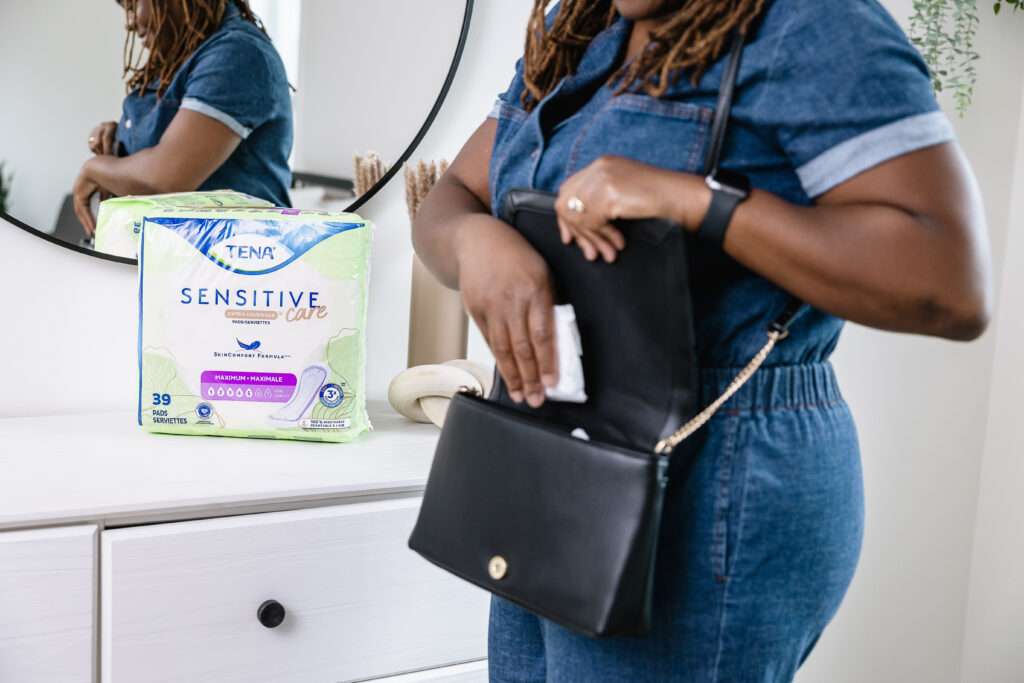
Adult Pull-Ons, Bladder Pads, & Briefs
Pull-on protective underwear, bladder control pads, briefs, and more for adults experiencing incontinence.
-

Catheters
Pediatric and adult urinary catheters for both males and females living with various bladder conditions.
-
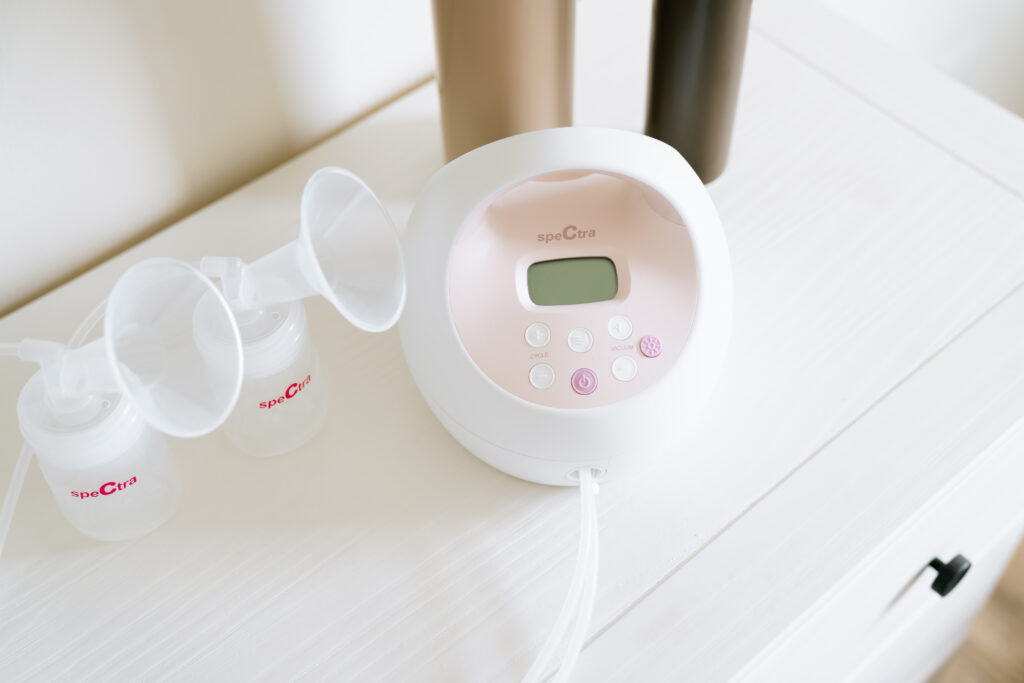
Breastpumps
Top quality breast pumps from leading brands.
-

Lactation Support
Online breastfeeding & baby prep classes, 1:1 appointments and resources to support all breastfeeding journeys.
-

Postpartum Support
Whether you have a c-section or vaginal delivery, these items help to speed up your recovery and facilitate healing.
-

Mental Health
Aeroflow Breastpumps has partnered with Canopie to provide access to clinically-effective programs that help new and expecting parents manage the highs and lows of postpartum life.
-
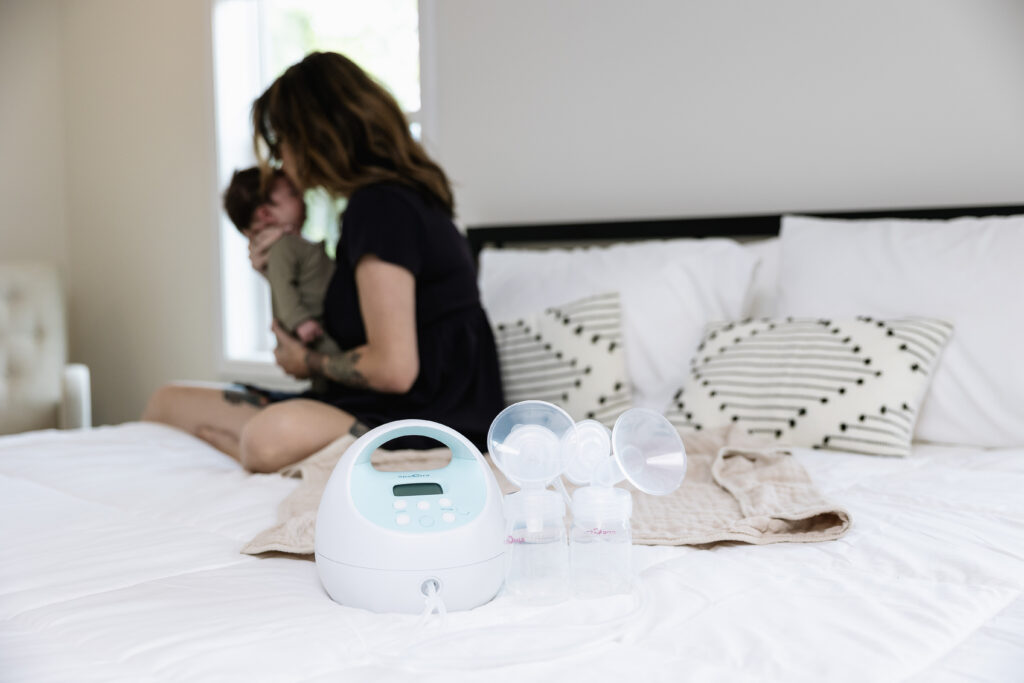
Our Process
Our job is to make it easy for you to receive the motherhood items you need through insurance. Learn more about our process.
-
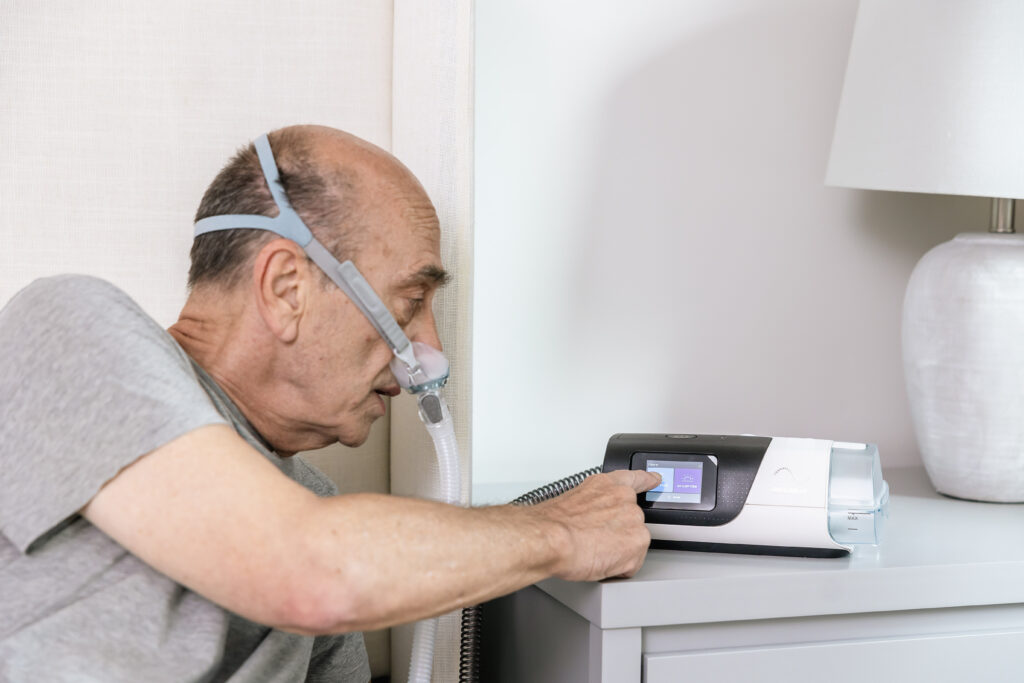
Machines
Explore high-quality APAP, BiPAP & CPAP machines from trusted manufacturers.
-
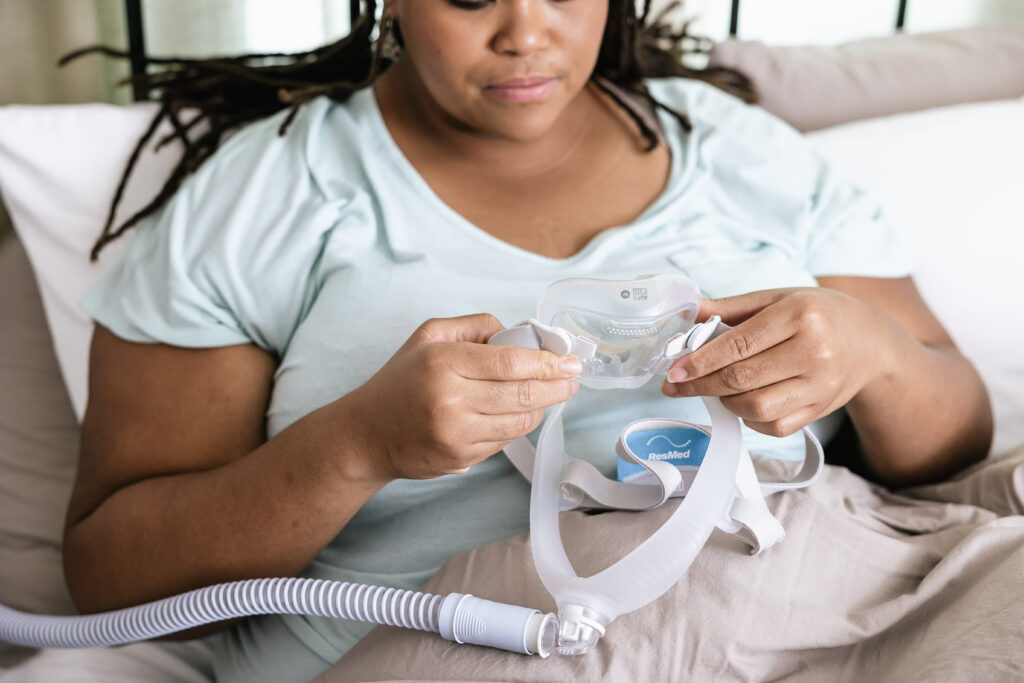
Masks
Ensure your CPAP mask fits right the first time, for a restful night’s sleep every time.
-
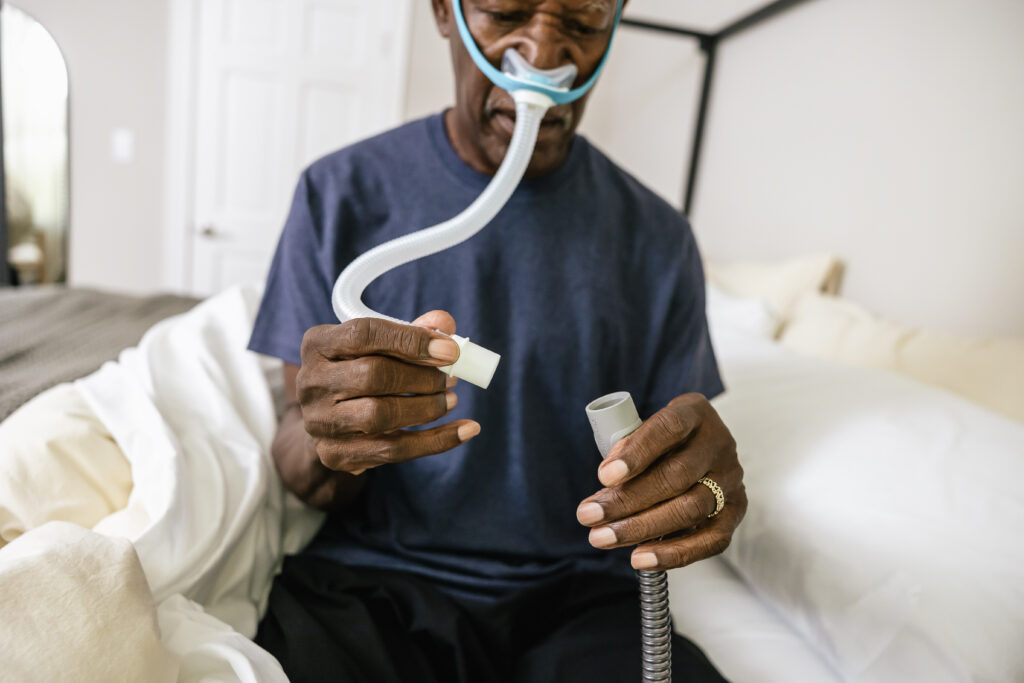
Parts & Accessories
From cushions and tubing to headgear and filters, enhance your setup with PAP essentials.
-

Resource Center
Browse our full collection of educational materials; including guides, blogs, videos, and more.
-
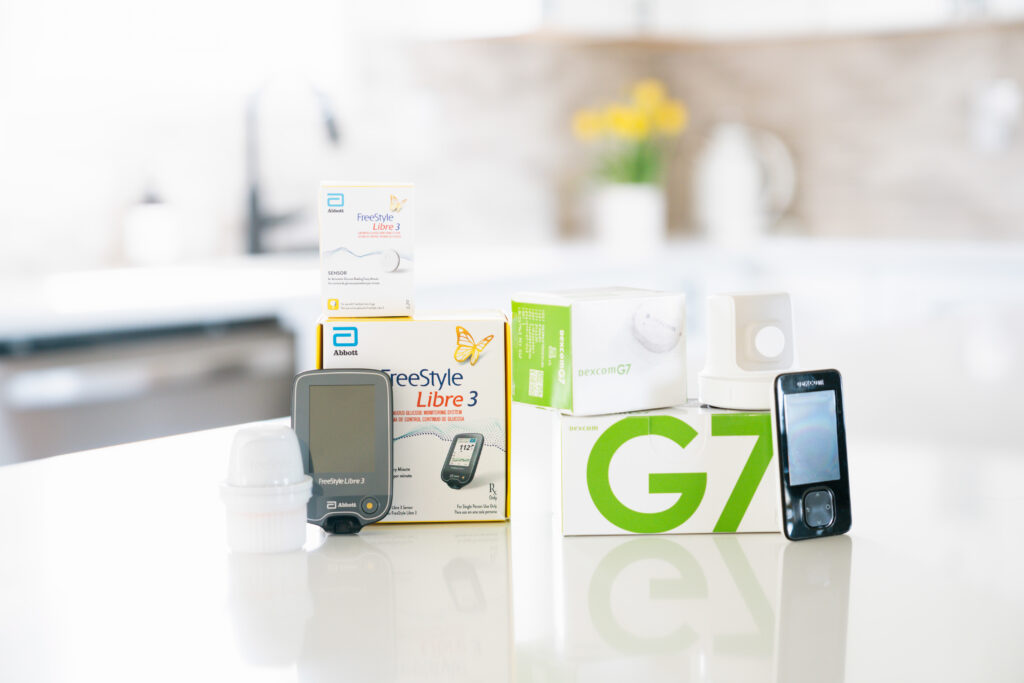
Continuous Glucose Monitoring Systems
Learn about our options to monitor your blood glucose levels.
-

Our Process
Get insight into our 4-step process and how we work with your provider to get your supplies delivered to your door.
-
FAQs
Get answers to our most frequently asked questions about current and future orders.
-

Blog
Discover a world of knowledge and support in every post as we delve into various diabetes topics, empowering you to take control of your health and live well.