


Home Oxygen Reimbursement Frequently Asked Questions
Medicare and Medicaid
- Q: What is included in the DME category?
-
A: Durable Medical Equipment includes, but is not limited to:
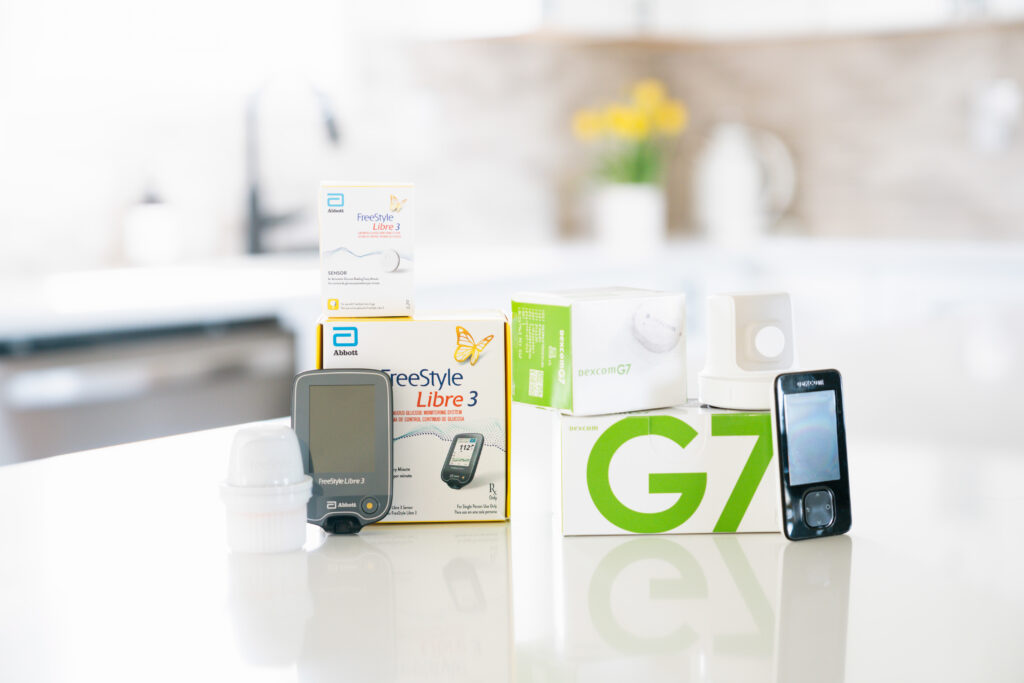
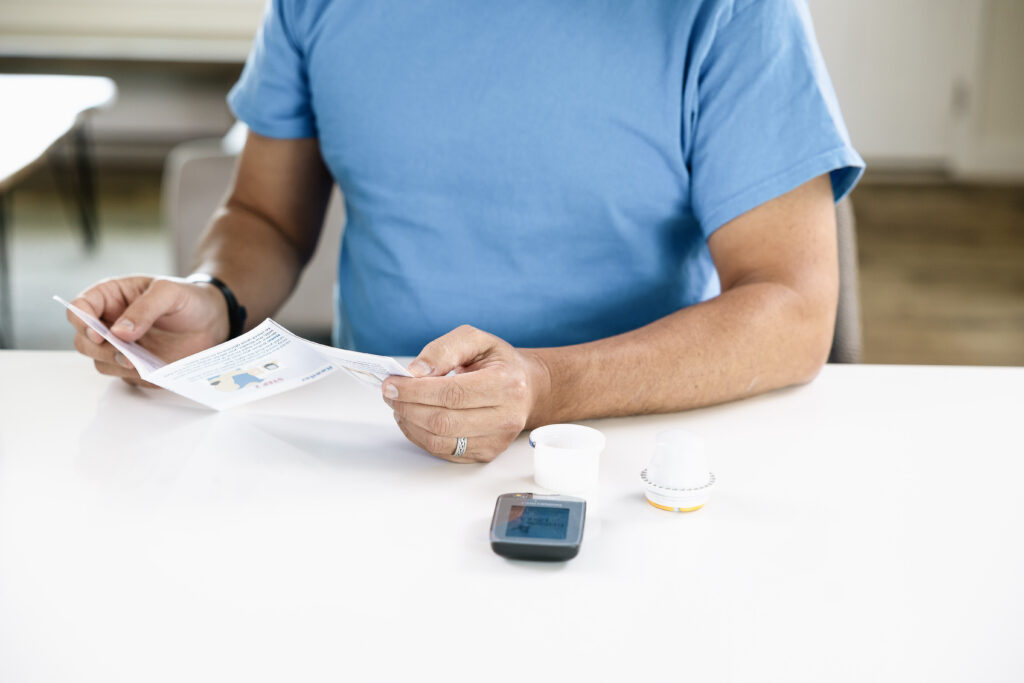
- Diabetic supplies
- Canes, crutches, walkers
- Commode chairs
- Home oxygen equipment
- Hospital beds
- Power Operated Vehicles (POVs or scooters)
- Seat lift mechanisms
- Traction equipment
- Wheelchairs
- Q: How does Medicare pay for oxygen and oxygen equipment?
-
A: Medicare pays suppliers a monthly fee for furnishing all medically necessary oxygen and oxygen equipment, including accessories and supplies like tubing or a mouthpiece. Assuming that you have no unmet Part B deductible, Medicare pays 80 percent of the allowed amount and you pay 20 percent of the allowed payment amount. After 36 months of continuous use, Medicare stops making rental payments for the oxygen equipment, but you will continue to get the oxygen equipment, accessories, and supplies from the same supplier at no charge until the end of the reasonable useful lifetime of the oxygen equipment (generally 5 years after the date that the equipment was delivered to you). At the end of the equipment's reasonable useful lifetime, the supplier can pick up the equipment and you can get new equipment if it is determined that you still have a medical need for oxygen. When you get the new equipment, Medicare starts a new 36 month rental payment period. If you get liquid or gaseous oxygen delivered in tanks or cylinders, your supplier must continue to deliver replacement tanks or cylinders after the 36 month rental period ends, and Medicare will continue to pay for delivery of oxygen contents in these tanks and cylinders.
- Q: What happens after the 36 month oxygen rental period?
-
A: After 36 months, Medicare stops making rental payments for oxygen equipment, but you will continue to get the oxygen equipment and accessories from the same supplier at no charge for any period of medical need until the end of the reasonable useful lifetime of the oxygen equipment (generally 5 years after the date that the equipment was delivered to you). When the equipment comes to the end of its reasonable useful lifetime, your supplier can pick up the equipment and you can get new equipment if it is determined that you still have a medical need for oxygen. When you get the new equipment, Medicare starts a new 36 month rental payment. If you get oxygen delivered in tanks or cylinders, your supplier must continue to deliver the oxygen tanks after the 36 month rental period ends, and Medicare will continue to pay for delivery of oxygen contents in these tanks or cylinders.
- Q: What happens after the reasonable useful of my oxygen equipment ends?
-
A: Oxygen equipment is very reliable and is expected to have a reasonable useful lifetime of 5 years.
When your equipment reaches the end of your reasonable useful lifetime, your supplier can pick up the equipment and you can get new equipment if it is determined that you still have a medical need for oxygen. Talk to your supplier when your equipment gets close to 5 years old so that you will not experience any interruptions in service.
- Q: Do I own my oxygen or oxygen equipment after the 36 month rental period?
-
A: No. The supplier retains ownership of the equipment but must continue to furnish the equipment after the 36-month rental period for any period of medical need until the end of the reasonable useful lifetime of the oxygen equipment (generally 5 years after the date that the equipment was delivered to you). At the end of the equipment's reasonable useful lifetime, the supplier can pick up the equipment and you can get new equipment if it is determined that you still have a medical need for oxygen. When you get the new equipment, Medicare starts a new 36 month rental payment. If you get liquid or gaseous oxygen delivered in tanks or cylinders, your supplier must continue to deliver your oxygen tanks after the 36 month rental period ends, and Medicare will continue to pay for delivery of oxygen contents in these tanks or cylinders.
- Q: What happens if my doctor says I need to switch to a new type of oxygen equipment after the 36 month rental cap?
-
A: Your supplier has to switch to the new type of oxygen equipment without starting up a new 36-month rental period. If the new type of oxygen equipment requires oxygen tanks, your supplier must deliver the tanks for any period of medical need for the remainder of the reasonable useful lifetime of the new replacement equipment. Medicare makes monthly delivery payments for oxygen tanks after the 36- month rental period for the equipment ends.
- Q: How do I get replacement oxygen equipment accessories such as regulators, filters, masks, and tubing after the 36 month rental cap?
-
A: The supplier that furnished your equipment in the 36th month is required to provide replacement accessories at no charge for any period of medical need for the remainder of the reasonable useful lifetime of the equipment.
- Q: Will Medicare pay for replacement of lost, stolen, or damaged oxygen equipment?
-
A: Yes, if oxygen equipment is lost, stolen, or irreparably damaged, Medicare will pay to replace it. If
Medicare had stopped making rental payments on the equipment because you used it for more than 36 months, a new 36-month rental period will begin for the replacement oxygen equipment.
- Q: If I move to a new area on a permanent basis or on a temporary or seasonal basis (e.g., snowbirds) after the 36-month rental period, does my supplier have to continue furnishing the oxygen and oxygen equipment?
-
A: Yes. Your supplier is required to continue furnishing oxygen and oxygen equipment, either directly or under arrangement, in situations where you move outside of the supplier's normal service area. If your new area is outside of your supplier's normal service area, your supplier has to make arrangements for a supplier in your new area to furnish the oxygen and oxygen equipment. You won't have to pay for oxygen equipment in your new area until the end of the equipment's reasonable useful lifetime, at which point you can elect to obtain new equipment if it is determined that you still have a medical need for oxygen.
- Q: What happens if my oxygen equipment breaks after the 36 month rental period?
-
A: If your equipment breaks, your supplier has to fix it or give you replacement equipment at no charge to you or Medicare.
- Q: What happens if I have to go to the hospital or nursing home after the 36 month oxygen rental cap?
-
A: The supplier is not required to furnish oxygen or oxygen equipment while you are in the hospital or nursing home. However, when you return home, the supplier that furnished your equipment in the 36th month is required to furnish the equipment for any period of medical need for the remainder of the reasonable useful lifetime of the equipment.
- Q: If I move to a new area on a permanent basis or on a temporary or seasonal basis (e.g., snowbirds) before the end of the 36-month rental period, does my supplier have to continue furnishing the oxygen and oxygen equipment?
-
A: No. However, you should ask your current supplier to assist you in making arrangements to continue receiving oxygen and oxygen equipment from a new supplier at your new place of residence.
- Q: Is the supplier responsible for maintenance and servicing of the oxygen equipment?
-
A: Yes. The supplier has to make sure your oxygen equipment is in good working order. If your equipment breaks, your supplier has to fix it or give you replacement equipment. In 2009, beginning 6 months after the 36-month rental period, Medicare makes one payment for your supplier to come to your home to inspect and provide routine service for your equipment if you use an oxygen concentrator or transfiller. All other maintenance, servicing, and repairs must be furnished at no additional charge to you or Medicare.
- Q: Can I change suppliers after the 36 month oxygen rental cap even though I have not relocated?
-
A: You are entitled to change suppliers at any time. As a word of caution, finding new suppliers after the 36 month cap may be difficult because they would receive no monthly payments except for maybe maintenance and servicing visits. Therefore, the new supplier has little to no financial incentive to become your new supplier. Question 5 addresses changes in suppliers as a result of a change in residence.